Scaling a global design system
Context
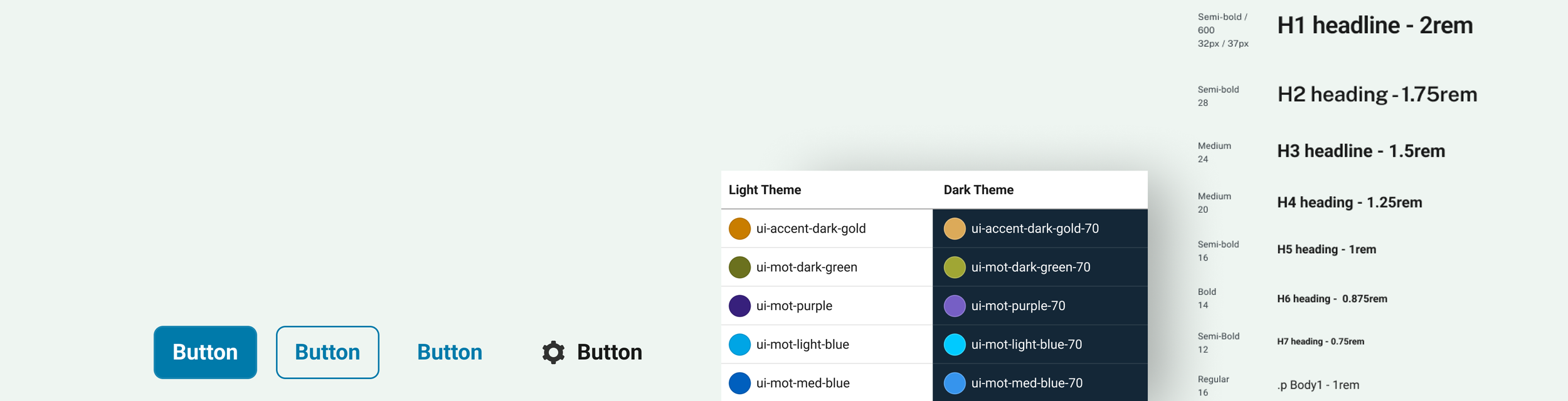
As Motorola Solutions expanded through rapid acquisitions and modernization, the software ecosystem became increasingly fragmented. With multiple product lines running on disconnected legacy platforms, the company faced a critical need for a centralized, scalable design language to maintain brand coherence and engineering efficiency.
Role
Visual designer
Core focus
Component design, Mobile patterns, Documentation
Stakeholders
Design system unit, Cross-functional dev teams, PMs, and Researchers
Challenge
As a visual designer, my goal was to bring our disconnected legacy styles together into one cohesive system. I drove this transition while navigating stakeholder skepticism regarding its business value and a total lack of centralized documentation for our global engineering teams.
Strategy
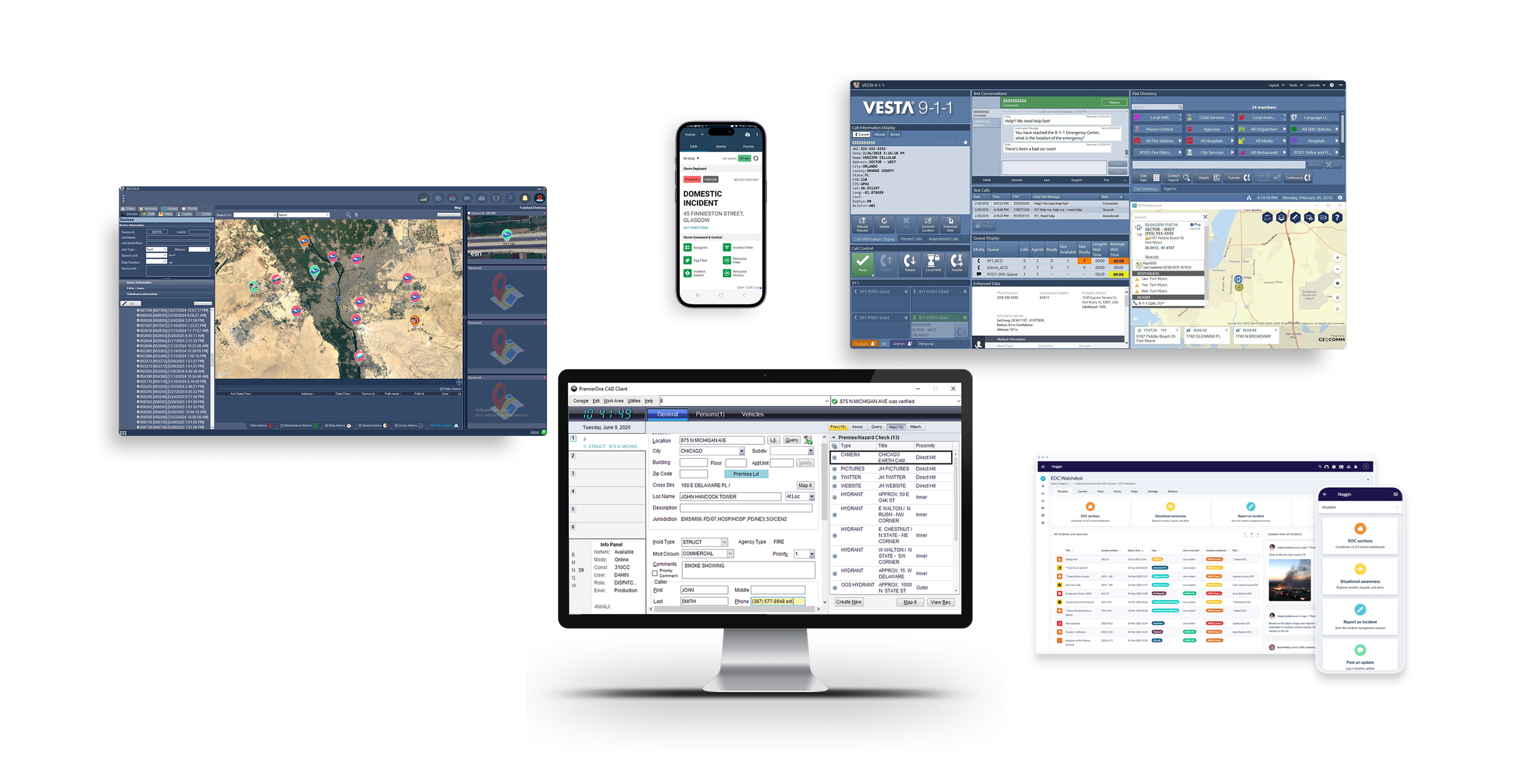
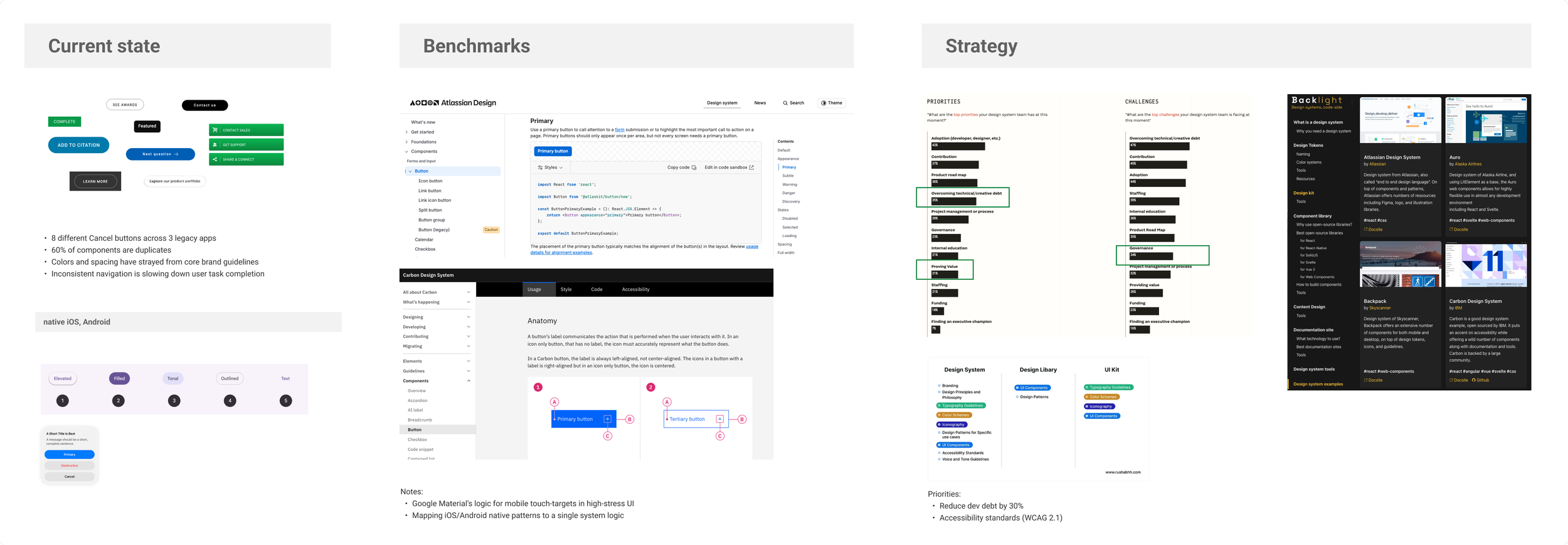
Since leadership wasn’t initially sold on the value, I brought in research from systems like IBM Carbon and Atlassian to show how a unified foundation actually pays off. By proving we’d stop reinventing the wheel and save our developers countless hours, we secured the buy-in to stop "fixing screens" and start building a scalable system.
Discovery
I started by diving into our various apps with my team to find where we were repeating ourselves. By mapping out the common patterns, we identified our "must-have" components as the first step toward building a flexible toolkit that every team could finally use.
Architecture
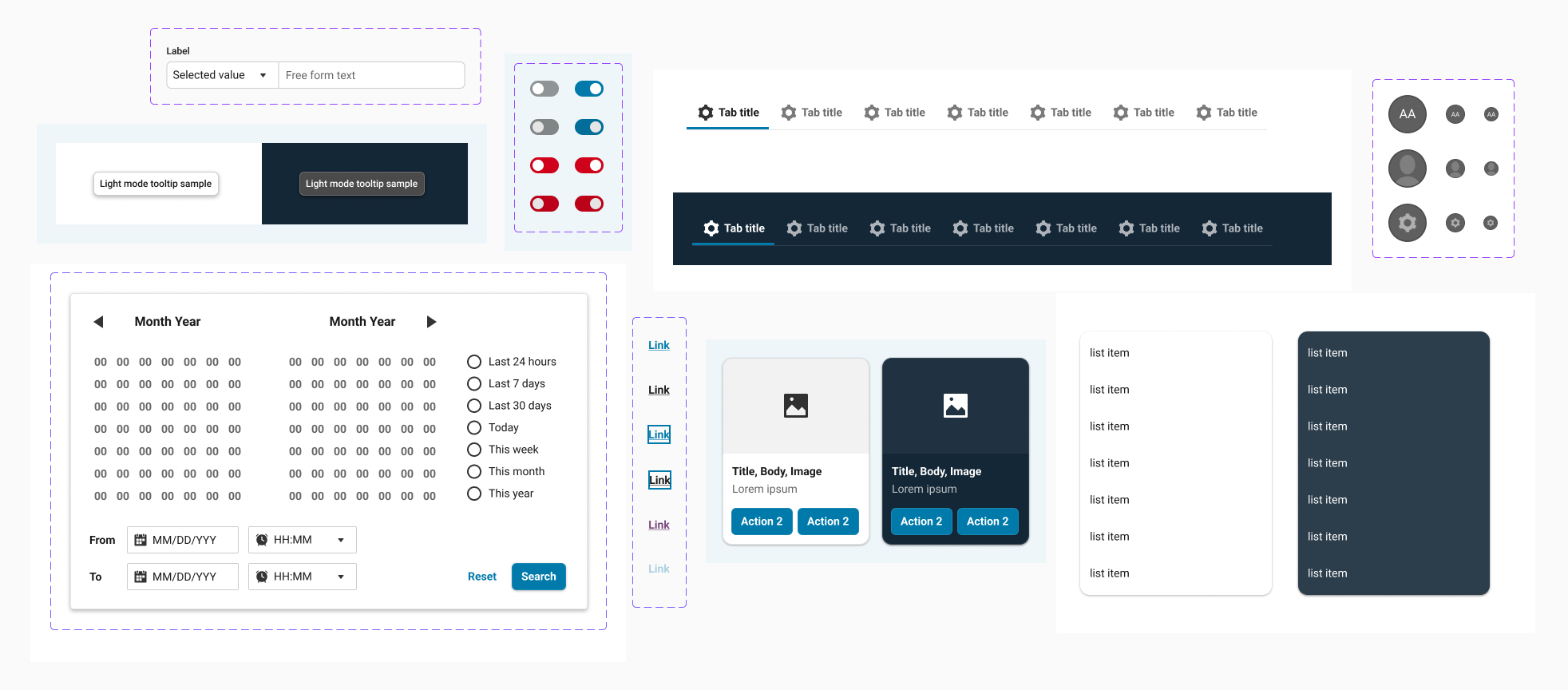
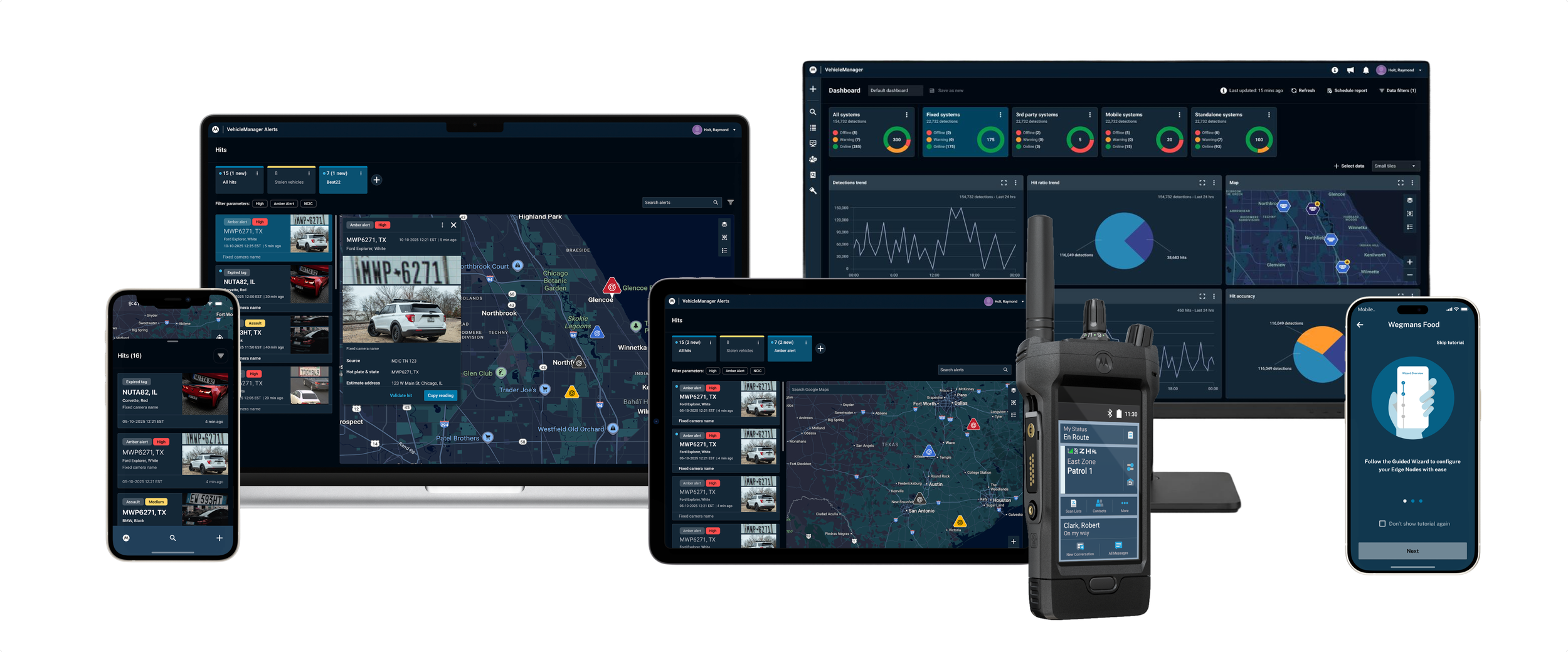
I focused on making the system feel right across native iOS, Android, and desktop. We worked out the logic for platform-specific behaviors and accessibility to ensure our tools stayed reliable in the high-stress, real-world situations our first responders face every day.
Implementation
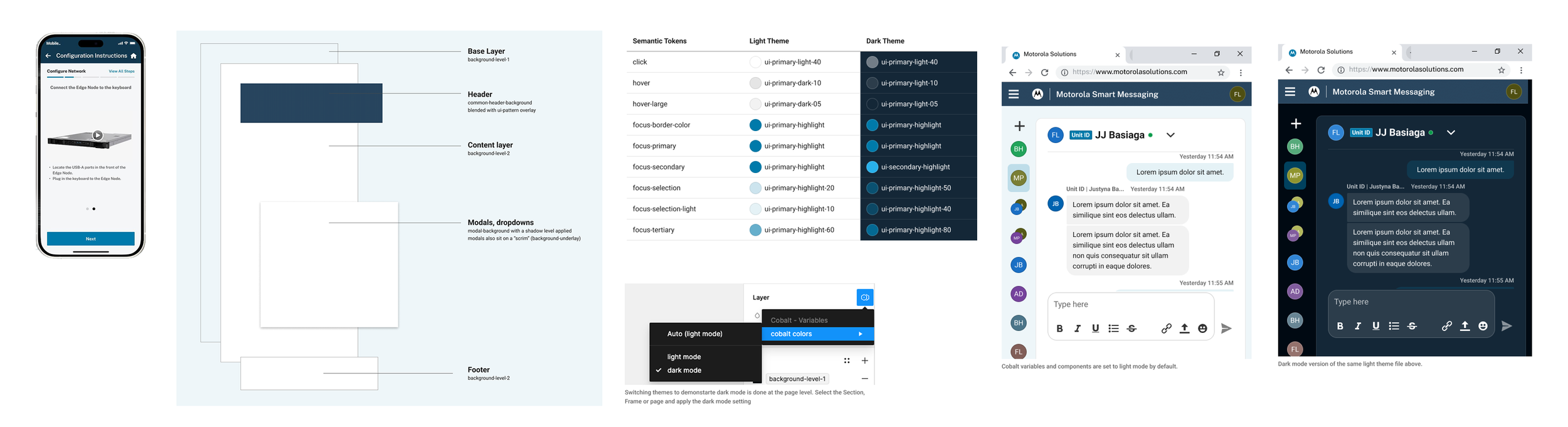
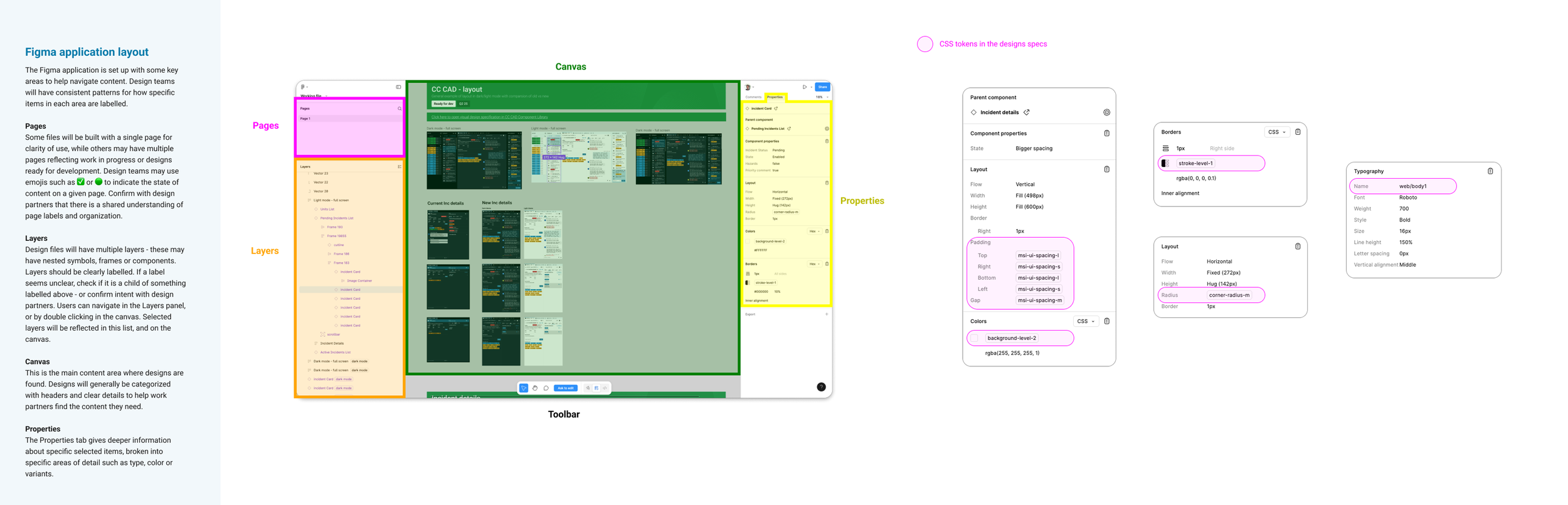
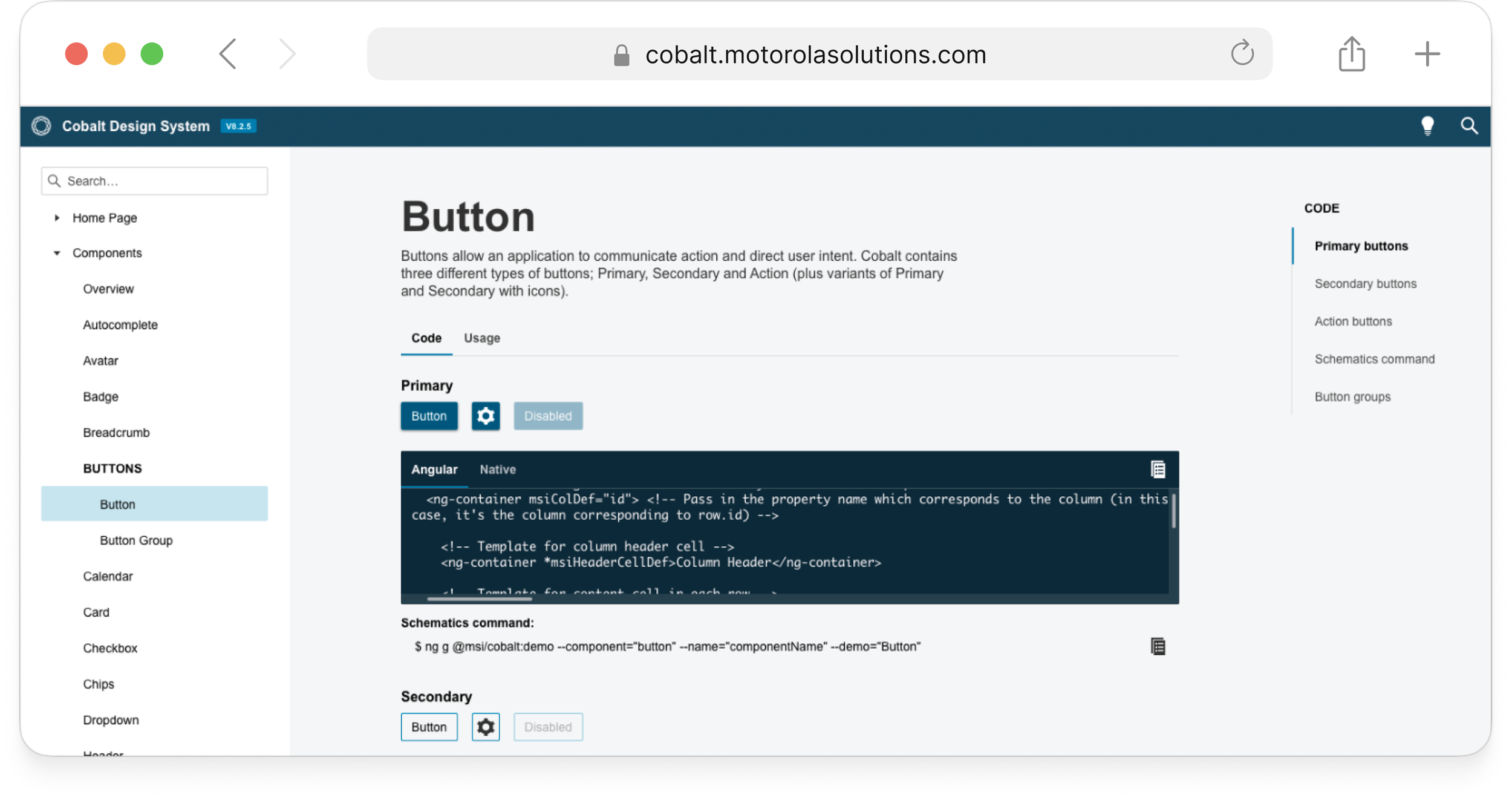
A system is only as good as the code behind it, so we teamed up with our engineers to build a shared documentation hub using design tokens. This turned messy handoffs into a common language that kept our UI sharp and consistent across every platform, ensuring our designs translated perfectly into the final product.
Impact
This new way of working completely changed our pace, cutting design-to-dev iteration time by 40%. Instead of constant 'quick fixes' that never quite stuck, we built a system that scales. It allowed the team to stop worrying about the small UI inconsistencies and start focusing on the deeper logic that really matters.
Next steps
Now that we have a solid base, we’re scaling the library to include more complex patterns while refining them through direct input from our users. We want to keep the system simple so it can easily support future apps and products.
Lessons learned